The Ultimate Suspension and Steering Repair Guide: Protect Your Ride and Drive with Confidence
Your vehicle’s suspension and steering systems are essential for control, comfort, and safety. While many drivers focus on oil changes and brakes, suspension and steering repair is just as critical to maintaining a reliable vehicle. When these systems begin to wear out, you may notice changes in handling, unusual noises, or an uncomfortable ride. Ignoring those symptoms can lead to costly repairs and unsafe driving conditions.
This comprehensive suspension and steering repair guide explains how these systems work, common warning signs, what causes damage, and when to seek professional service.
Understanding the Suspension System
The suspension system is responsible for absorbing bumps, maintaining tire contact with the road, and supporting vehicle weight. It ensures a smooth ride while also keeping your car stable during turns, acceleration, and braking.
Key suspension components include:
-
Shocks and struts
-
Springs
-
Control arms
-
Ball joints
-
Sway bars
-
Bushings
When functioning properly, your suspension keeps your tires firmly planted on the road. When worn or damaged, the vehicle may bounce excessively, dip forward during braking, or feel unstable at highway speeds. Suspension and steering repair becomes necessary when these components begin to fail.
Understanding the Steering System
The steering system allows you to control the direction of your vehicle. Modern vehicles typically use either hydraulic or electric power steering to make turning easier and more responsive.
Important steering components include:
-
Steering rack and pinion
-
Tie rods
-
Steering column
-
Power steering pump or motor
If any of these parts wear out, you may experience difficulty turning the wheel, vibrations, or loose steering. Prompt suspension and steering repair ensures safe and predictable handling.
Why Suspension and Steering Repair Matters
Suspension and steering systems work together. When one system develops problems, the other often experiences increased strain. Addressing suspension and steering repair quickly offers several benefits: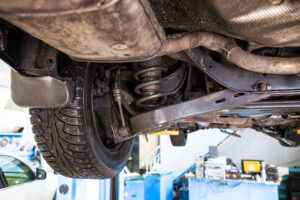
1. Improved Safety
Worn suspension or steering components reduce vehicle control. In emergency maneuvers or sudden stops, a compromised system may respond unpredictably.
2. Better Tire Life
When suspension components wear out, tires may lose proper alignment, leading to uneven wear. Suspension and steering repair helps maintain even tire contact and extends tire lifespan.
3. Enhanced Comfort
A failing suspension system can make every bump feel amplified. Repairing worn shocks or struts restores a smoother, more comfortable ride.
4. Protection of Other Components
Ignoring worn ball joints or tie rods can cause damage to other parts, leading to more expensive repairs later.
Common Signs You Need Suspension and Steering Repair
Recognizing the warning signs early can prevent major damage. Watch for:
Excessive Bouncing
If your car continues bouncing after hitting a bump, worn shocks or struts may be the cause.
Pulling to One Side
If your vehicle drifts while driving straight, the issue may involve steering components, suspension alignment, or worn bushings.
Uneven Tire Wear
Suspension issues often cause tires to wear unevenly, particularly on one side.
Steering Wheel Vibrations
A vibrating steering wheel may indicate worn tie rods, ball joints, or wheel imbalance.
Clunking or Knocking Sounds
Strange noises when driving over bumps can signal worn suspension parts such as control arms or sway bar links.
Loose or Stiff Steering
If your steering feels unusually loose or hard to turn, you may need immediate suspension and steering repair.
What Causes Suspension and Steering Damage?
Several factors contribute to wear and tear:
Normal Wear Over Time
Like all vehicle systems, suspension and steering components wear down with mileage.
Rough Roads and Potholes
Driving on uneven roads can accelerate damage to shocks, struts, and tie rods.
Accidents or Impacts
Even minor collisions or curb strikes can knock components out of alignment.
Lack of Maintenance
Ignoring regular inspections can allow small issues to grow into larger, more expensive repairs.
Key Suspension Components That Commonly Fail
Shocks and Struts
These absorb road impact. Most vehicles require replacement every 50,000 to 100,000 miles, depending on driving conditions.
Ball Joints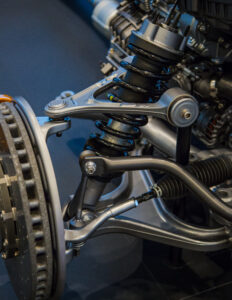
Ball joints allow suspension movement and steering pivoting. Worn ball joints can cause clunking noises and uneven tire wear.
Control Arms and Bushings
Control arms connect the wheel assembly to the frame. Worn bushings can create vibration and instability.
Sway Bar Links
These reduce body roll during turns. When worn, you may notice rattling or increased leaning in corners.
Timely suspension and steering repair ensures these parts function properly and keeps your vehicle stable.
Key Steering Components That Commonly Fail
Tie Rods
Tie rods connect the steering rack to the wheels. If worn, they can cause wandering or loose steering.
Steering Rack and Pinion
This component converts steering wheel movement into wheel movement. Leaks or internal wear can lead to difficulty steering.
Power Steering Pump or Motor
Hydraulic systems use a pump, while electric systems use a motor. Failure may result in stiff steering.
Regular inspections can detect issues before total failure occurs.
How Suspension and Steering Repair Is Performed
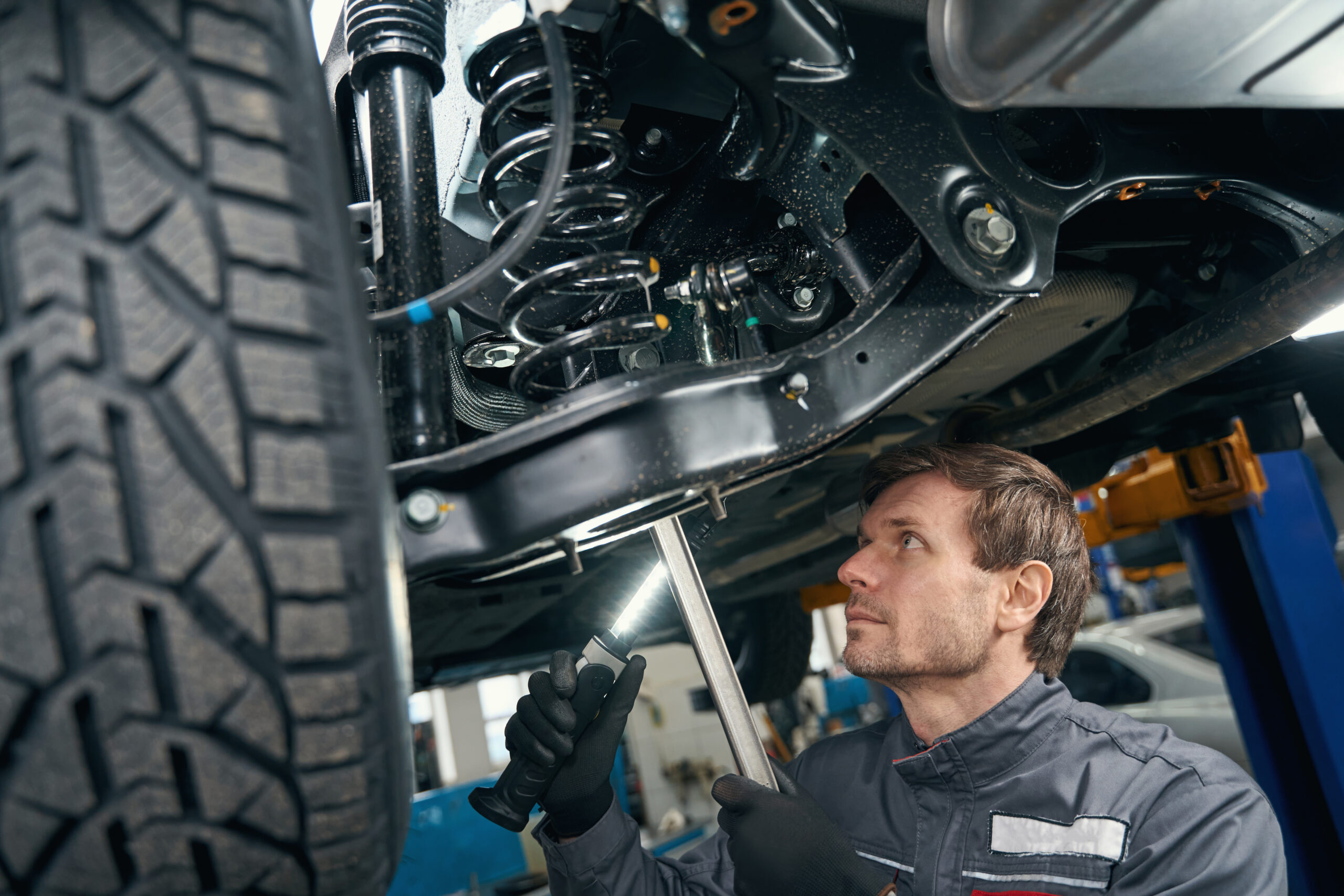
During service, technicians will:
-
Inspect shocks, struts, springs, and bushings
-
Check tie rods and ball joints for looseness
-
Evaluate steering responsiveness
-
Inspect power steering fluid (if applicable)
-
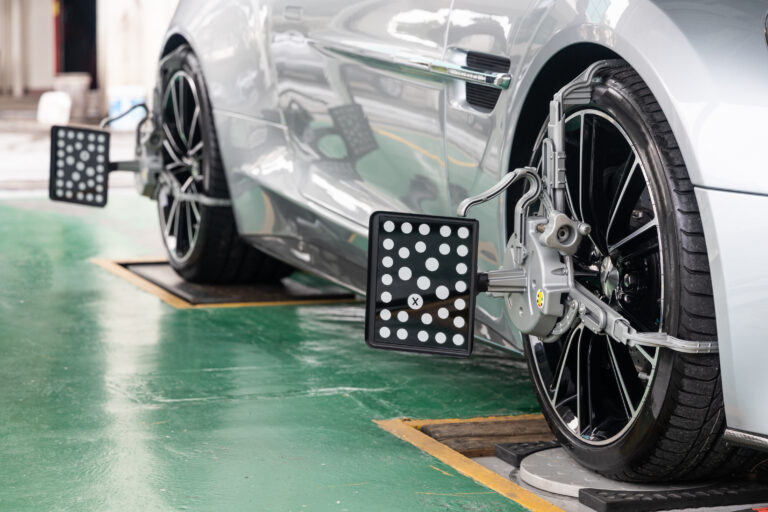
Perform alignment checks
Once worn components are identified, repairs may involve part replacement, lubrication, or alignment adjustments. Professional suspension and steering repair ensures precision and safety.
How Often Should Suspension and Steering Be Inspected?
Experts recommend:
-
Inspection during routine oil changes
-
Full evaluation annually
-
Immediate inspection after hitting large potholes
-
Inspection if you notice unusual noises or steering changes
Even if your vehicle seems to drive normally, hidden wear can progress over time.
The Connection Between Alignment and Suspension
Suspension issues often affect wheel alignment. After completing suspension and steering repair, technicians typically recommend an alignment to ensure proper tire angles and road contact.
Failing to align the vehicle after suspension work can result in premature tire wear and poor handling.
Preventing Major Suspension and Steering Repairs
Preventive care reduces long-term repair costs:
-
Avoid potholes and road hazards when possible
-
Rotate tires regularly
-
Maintain proper tire pressure
-
Schedule regular inspections
-
Address small issues before they escalate
Taking a proactive approach to suspension and steering repair keeps your vehicle reliable and safe.
Why Professional Suspension and Steering Repair Matters
Because these systems directly impact safety, suspension and steering repair should always be handled by trained professionals using proper equipment. Precision matters. Small measurement errors can lead to improper handling or uneven tire wear.
Professional repair ensures:
-
Accurate diagnosis
-
Quality replacement parts
-
Correct torque specifications
-
Proper alignment adjustments
-
Long-term reliability
Conclusion: Protect Your Safety with Timely Suspension and Steering Repair
Your vehicle’s ability to handle safely, ride smoothly, and respond predictably depends on a properly functioning suspension and steering system. Ignoring warning signs such as pulling, clunking noises, uneven tire wear, or loose steering can lead to more serious issues and higher repair costs.
Routine inspections and timely suspension and steering repair not only improve comfort but also protect your safety and extend the life of your vehicle. If you’re experiencing any of the symptoms discussed in this guide, don’t wait. Schedule your suspension and steering repair service today by booking an appointment here and let a trusted technician restore your vehicle’s stability and performance.
Further Reading
-
National Highway Traffic Safety Administration – Vehicle Safety Information
https://www.nhtsa.gov/road-safety -
Car Care Council – Suspension and Steering Maintenance Tips
https://www.carcare.org -
Auto Care Association – Vehicle Maintenance Resources
https://www.autocare.org