How to Know When Your Brakes Need Repair — Crucial Signs and Safety Tips Every Driver Should Know
Your car’s brake system is its most critical safety component. Without properly functioning brakes, even the best driver can’t avoid danger. Knowing when your brakes need repair isn’t just about avoiding expensive damage — it’s about keeping yourself, your passengers, and everyone on the road safe.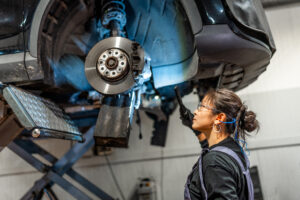
In this guide, we’ll cover the most common signs your brakes need repair, what causes those issues, and the most important brake safety tips to follow.
Why Brake Repair Should Never Be Delayed
Every time you press your brake pedal, friction and heat wear down the components in your braking system — pads, rotors, calipers, and fluid. Over time, these parts deteriorate, leading to reduced performance.
Delaying brake repair can have serious consequences:
-
Increased stopping distance
-
Damaged rotors and calipers (costly repairs)
-
Reduced vehicle control during emergency stops
-
Safety hazards for you and other drivers
That’s why staying alert for the warning signs is crucial. Let’s go over the telltale symptoms that mean it’s time to schedule brake repair service immediately.
1. Squeaking, Squealing, or Grinding Noises
If you hear high-pitched squealing when you brake, it’s one of the most common signs your brakes need repair. Most brake pads are designed with a small metal wear indicator that emits a squeal when pads are worn down — essentially a built-in warning system.
-
Squeaking or squealing means your brake pads are thin and need replacing soon.
-
Grinding noises suggest that the brake pad material is completely gone, and metal is scraping against metal — this can quickly damage rotors.
Ignoring these sounds can lead to major brake repair costs, so it’s best to have your system inspected right away.
2. Vibration or Pulsation When Braking
If your steering wheel or brake pedal vibrates when you slow down, it could mean your rotors are warped or uneven. Heat buildup from heavy braking, towing, or driving in stop-and-go traffic can cause this warping.
A professional brake repair technician can resurface or replace rotors and restore smooth braking. Left unchecked, vibration can affect your entire suspension system over time.
3. Brake Pedal Feels Soft or Spongy
When your brake pedal feels soft, spongy, or sinks too low before the brakes engage, it’s often a sign of air or moisture in the brake lines — or possibly a brake fluid leak.
This is a serious issue that needs immediate brake repair service. A soft pedal reduces braking efficiency and can result in total brake failure if ignored.
Safety Tip: Never drive if your pedal feels spongy. Have the car towed to a trusted repair shop for an inspection.
4. The Car Pulls to One Side When Braking
If your vehicle pulls left or right when you brake, it could mean:
-
Uneven brake pad wear
-
A stuck caliper
-
A collapsed brake hose
-
Uneven hydraulic pressure
All of these problems indicate it’s time for a brake system repair. This issue can make your car unpredictable and unsafe, especially during emergency stops.
5. Brake Warning Light Is On
The brake warning light is one of the most obvious indicators that you may need brake repair. This light can come on for several reasons, including:
-
Low brake fluid levels
-
Worn brake pads
-
ABS (anti-lock braking system) malfunction
Even if your brakes seem to be working fine, don’t ignore the light. A quick check can prevent more expensive repairs later.
6. Burning Smell After Hard Braking
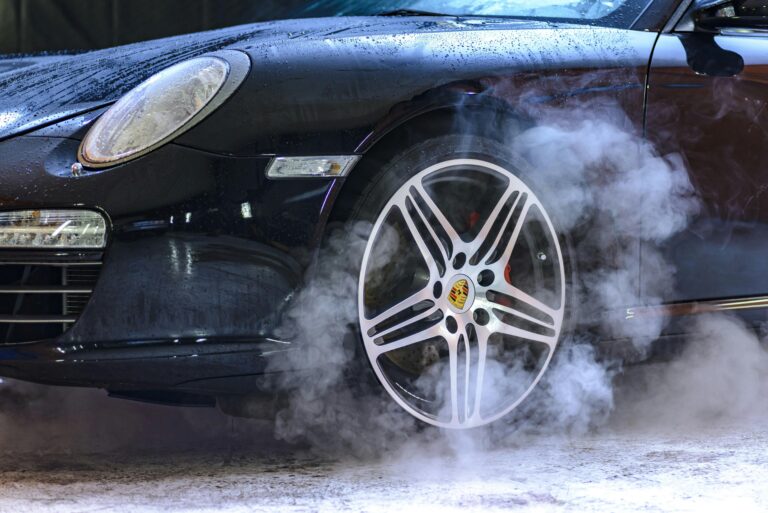
A sharp, chemical burning odor while driving — especially after braking hard — could mean overheated brakes or fluid. If this happens, pull over safely, let your brakes cool, and schedule a brake inspection as soon as possible.
Continuing to drive with overheated brakes can cause brake fade, which temporarily reduces stopping power.
7. Leaking Fluid
Brake systems rely on hydraulic pressure to work properly. If you notice fluid pooling under your car or see a drop in brake fluid levels, it could mean a leak in your brake lines, master cylinder, or calipers.
Without enough brake fluid, your vehicle won’t generate the pressure needed for effective braking. Always have a leak addressed immediately at a qualified brake repair shop.
8. Increased Stopping Distance
If your car takes longer to come to a complete stop than it used to, it’s a sure sign that your brakes need repair. This can be caused by: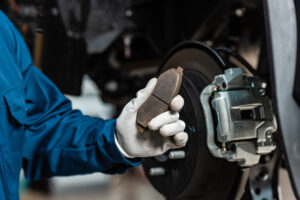
-
Worn pads or rotors
-
Contaminated brake fluid
-
Failing brake booster
-
Problems within the ABS system
Longer stopping distances are a clear safety hazard — have your brakes checked before driving in heavy traffic or poor weather conditions.
9. ABS (Anti-Lock Braking System) Warning or Vibration
When your ABS light stays on or you feel the brake pedal pulsing even in light braking, the ABS may be malfunctioning. While the car might still stop, your ability to brake safely in slick or emergency conditions could be compromised.
Have your ABS scanned and serviced at a trusted auto repair center before winter driving begins.
Brake Safety Tips Every Driver Should Follow
Recognizing when your brakes need repair is only half the battle. Preventative maintenance can keep your braking system reliable and reduce long-term costs.
Here are essential brake safety tips:
-
Schedule regular brake inspections – Every 12,000 miles or once a year is a good rule of thumb.
-
Replace brake pads early – Don’t wait until they’re completely worn down; early replacement prevents damage to rotors and calipers.
-
Flush brake fluid every 2 years – Brake fluid attracts moisture over time, which can cause corrosion and reduce braking power.
-
Listen to your car – Sounds, smells, and sensations are your car’s way of telling you something’s wrong.
-
Avoid hard braking – Gentle braking extends the life of pads and rotors.
-
Watch for warning lights – If your ABS or brake light comes on, have it checked immediately.
What Happens During a Professional Brake Repair
When you take your car in for brake repair, the technician will typically:
-
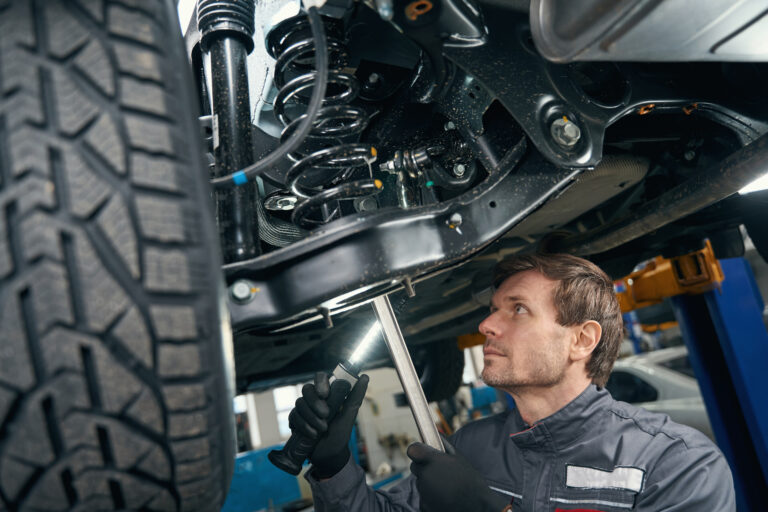
Inspect brake pads, rotors, and calipers for wear or damage.
-
Check for leaks and test brake fluid condition.
-
Measure rotor thickness and resurface or replace as needed.
-
Bleed the brake lines to remove any air or moisture.
-
Test drive the vehicle to ensure smooth and balanced braking.
Comprehensive brake repair restores stopping power, prevents accidents, and ensures your vehicle performs safely in all conditions.
Why Professional Brake Repair Matters
Some DIY enthusiasts attempt to replace brake pads or fluid themselves. However, today’s braking systems — especially those with ABS — are complex and require precise calibration.
Professional brake repair service ensures:
-
Proper installation of high-quality parts
-
Safe handling of brake fluid and lines
-
Caliper and rotor alignment for balanced braking
-
Verification that sensors and warning lights function correctly
At a certified repair shop, your brakes are serviced according to manufacturer standards, keeping your warranty and safety intact.
When to Schedule Brake Repair
As a general rule, you should have your brakes inspected at least once a year, or anytime you notice unusual sounds, smells, or performance issues.
You should schedule brake repair immediately if you experience:
-
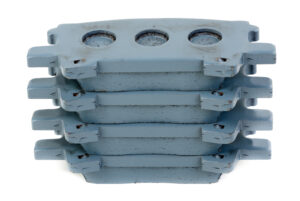
Squealing or grinding noises
-
Soft brake pedal
-
Brake warning light
-
Vibrations when braking
-
Longer stopping distances
Ignoring these signs can quickly turn a simple pad replacement into a costly full-system repair.
Final Thoughts
Your brakes are your vehicle’s most essential safety feature. Recognizing when your brakes need repair and acting quickly can mean the difference between a safe stop and a dangerous situation.
If you notice any of the warning signs above — squealing, vibration, longer stops, or dashboard lights — don’t wait. You can schedule an appointment with us here to do a full brake inspection for you.
A small repair today can prevent a major accident tomorrow — and that’s peace of mind every driver deserves.
Sources
-
“11 Ways To Know You May Need New Brakes” — AAA Auto Repair
Discusses warning indicators like high-pitch or grinding noises as signs you need brake repair.
https://www.aaa.com/autorepair/articles/11-ways-to-know-you-may-need-new-brakes AAA -
“When To Repair Brakes? 11 Signs To Watch Out For!” — R1 Concepts
Lists multiple signs such as unusual sounds, spongy pedal, increased stopping distance.
https://www.r1concepts.com/blog/when-to-repair-brakes-11-signs-to-watch-out-for/ R1Concepts -
“Top Signs Your Vehicle Needs Brake & Suspension Repairs” — Jack Jr’s Auto Repair
Covers squeaking, grinding, vibration, pulling, and more.
https://www.jackjrauto.com/top-signs-your-vehicle-needs-brake-and-suspension-repairs jackjrauto.com -
“Top Signs Your Brakes Need Repair: Don’t Ignore These Warning Signals” — Elite Performance Automotive
Highlights common warning signs: noises, pedal feel, pulling, burning smells.
https://eliteperformanceautomotive.com/top-signs-your-brakes-need-repair-dont-ignore-these-warning-signals/ Elite Performance Automotive -
“How to Know When Your Brakes Need Repair in Copperas Cove — Comprehensive Guide” — Sims Automotive Repair
Offers examples of common signs like squealing, grinding, vibration, longer stops.
https://www.simsautomotiverepair.com/how-to-know-when-your-brakes-need-repair-a-comprehensive-guide simsautomotiverepair.com -
“When to Replace Your Car’s Brake Pads” — Car and Driver
Explains brake pad wear, replacement thresholds, warning noises, and effects of using worn brakes.
https://www.caranddriver.com/features/a26407325/when-replace-brake-pads/ Car and Driver -
“Brake Servicing & Inspection Guide” — Les Schwab
Covers how often brakes should be checked, what to ask for in repair, and factors influencing brake wear.
https://www.lesschwab.com/article/brakes/determining-when-and-where-to-get-brakes-serviced.html Les Schwab -
“The Ultimate Guide to Brake Service: What Virginia Beach Drivers Need to Know” — 17th Street Automotive
Discusses signs like squealing, vibration, soft pedal, and vehicle pulling.
https://www.17thstreetauto.com/the-ultimate-guide-to-brake-service-what-virginia-beach-drivers-need-to-know 17thstreetauto.com -
“5 Signs You Need New Brake Pads” — GEICO’s Living Section
Provides five key signs including audible cues, longer stopping distance, and pulling.
https://living.geico.com/driving/auto/auto-care/instant-expert-5-signs-you-need-new-brake-pads/ GEICO Living -
“Replacing Your Car’s Brakes: The Early Warning Signs” — Carefree Auto
Highlights warning signs like unusual sounds, vibrations, pulling, sensitivity change.
https://www.getcarefreeauto.com/resources/82-replacing-your-cars-brakes-the-early-warning-signs getcarefreeauto.com -
“When to Seek Professional Help for Brake Vibration Problems” — Springs Auto
Focuses on vibration, unresponsive pedal, burning smells, and pulling as signs not to ignore.
https://springs-auto.com/blog/when-to-seek-professional-help-for-brake-vibration-problems/ springs-auto.com