Critical Warning Signs: Why Is My Car Overheating?
If you’ve ever looked down at your temperature gauge and noticed it climbing higher than normal, you’ve probably asked yourself, “why is my car overheating?” It’s one of the most common vehicle problems drivers encounter, especially as temperatures begin to rise during the spring and summer months.
An overheating engine is more than just an inconvenience. If ignored, it can lead to severe engine damage, expensive repairs, and even complete engine failure. Understanding why is my car overheating can help you identify problems early, prevent costly breakdowns, and keep your vehicle running reliably throughout the year.
What Does It Mean When a Car Overheats?
Your engine generates a tremendous amount of heat every time it runs. The cooling system is designed to regulate that heat and keep engine temperatures within a safe operating range.
When something within the cooling system fails or cannot keep up with demand, engine temperatures begin to rise beyond normal levels. When this happens, drivers often find themselves asking why is my car overheating.
Common signs of overheating include:
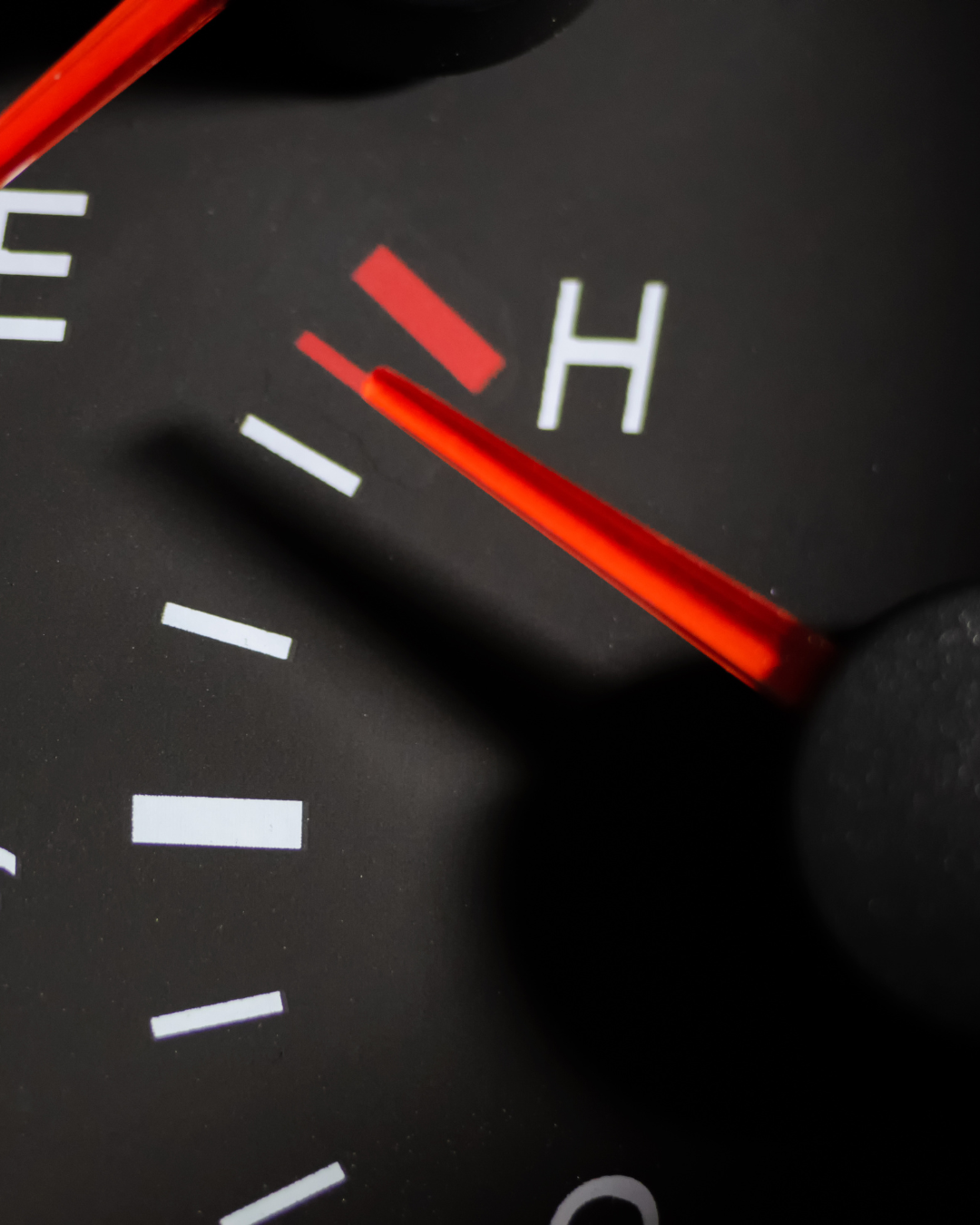
- Temperature gauge reading higher than normal
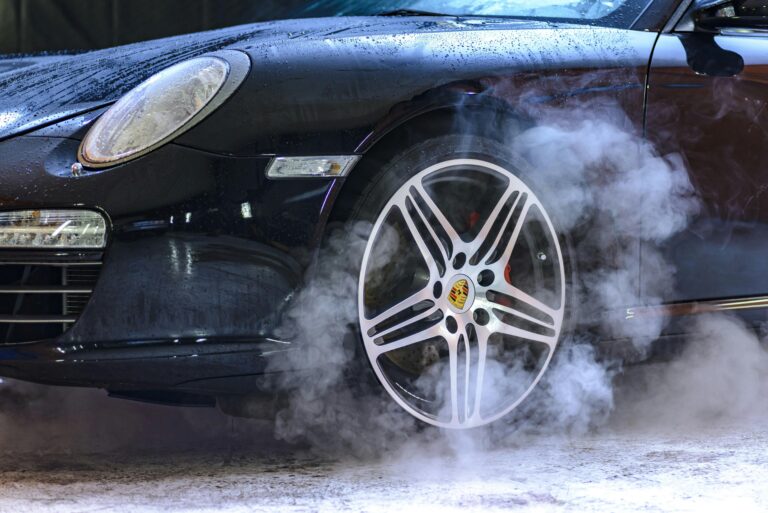
- Steam coming from under the hood
- Coolant warning light illuminating
- Sweet smell from leaking coolant
- Reduced engine performance
- Knocking or pinging noises from the engine
Recognizing these symptoms early can prevent significant damage.
Low Coolant Levels
One of the most common answers to the question why is my car overheating is low coolant.
 Coolant, sometimes called antifreeze, absorbs heat from the engine and transfers it to the radiator where it can be released. Without enough coolant circulating through the system, temperatures can quickly rise.
Coolant levels can become low because of:
- Small leaks
- Evaporation over time
- Damaged hoses
- Loose clamps
- Faulty radiator caps
Even a small coolant leak can eventually cause overheating if left unaddressed.
Coolant Leaks
Many overheating problems begin with a coolant leak.
Leaks can occur from several locations throughout the cooling system, including:
Radiator Leaks
Over time, radiators can develop corrosion, cracks, or damaged seams.
Hose Leaks
Rubber hoses naturally deteriorate as they age. Cracks and soft spots can allow coolant to escape.
Water Pump Leaks
The water pump contains seals that wear out over time. Once these seals fail, coolant can begin leaking.
Heater Core Leaks
Though less common, heater core leaks can reduce coolant levels and contribute to overheating issues.
If you’re frequently adding coolant, there’s likely an underlying leak that should be inspected.
Thermostat Failure
A faulty thermostat is another common reason drivers ask why is my car overheating.
The thermostat controls coolant flow between the engine and radiator. When the engine is cold, the thermostat remains closed to help the engine warm up quickly. Once operating temperature is reached, it opens and allows coolant to circulate.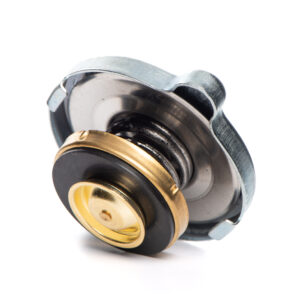
When the thermostat becomes stuck closed:
- Coolant cannot circulate properly
- Heat remains trapped in the engine
- Engine temperatures rise rapidly
Fortunately, thermostat replacement is often a relatively straightforward repair when caught early.
Radiator Problems
Your radiator plays a critical role in cooling your engine.
As coolant passes through the radiator, heat is transferred away from the engine and released into the outside air.
Several radiator issues can cause overheating:
- Internal blockages
- External debris buildup
- Corrosion
- Damaged cooling fins
- Restricted coolant flow
A radiator that cannot efficiently dissipate heat often becomes a major contributor to overheating concerns.
Failing Water Pump
The water pump serves as the heart of the cooling system.
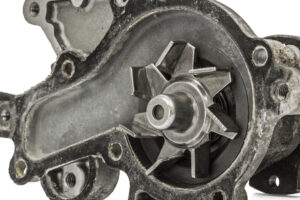 Its job is to continuously circulate coolant throughout the engine, radiator, heater core, and hoses. Without proper circulation, heat builds up quickly.
Common signs of water pump failure include:
- Coolant leaks near the front of the engine
- Whining noises
- Engine overheating
- Steam from under the hood
If the water pump fails completely, overheating can occur very quickly.
Cooling Fan Issues
When asking why is my car overheating while sitting in traffic, the cooling fan is often the culprit.
The cooling fan helps pull air through the radiator when the vehicle is stopped or moving slowly.
If the fan fails because of:
- Electrical problems
- Faulty relays
- Blown fuses
- Damaged motors
the radiator cannot cool coolant effectively during low-speed driving conditions.
Drivers often notice overheating during stop-and-go traffic while temperatures return to normal at highway speeds.
Clogged Cooling System
Over time, coolant can become contaminated with rust, scale, and debris.
When this buildup accumulates inside the cooling system, it restricts coolant flow and reduces cooling efficiency.
A clogged cooling system can affect:
- Radiators
- Heater cores
- Engine passages
- Thermostats
Routine coolant flushes help prevent these issues and keep the cooling system operating properly.
Damaged Radiator Cap
Many people don’t realize the radiator cap plays an important role in preventing overheating.
The radiator cap maintains proper pressure within the cooling system. Increased pressure raises the boiling point of coolant and improves cooling efficiency.
A failing radiator cap can allow pressure to escape, causing coolant to boil at lower temperatures and increasing the likelihood of overheating.
Because radiator caps are inexpensive, they are often overlooked despite their importance.
Hot Weather and Increased Cooling Demands
As temperatures rise during late spring and summer, cooling systems are placed under additional stress.
If your vehicle already has a minor issue, warmer weather can expose weaknesses that may have gone unnoticed during cooler months.
This is one reason searches for why is my car overheating increase dramatically as summer approaches.
High temperatures combined with:
- Heavy traffic
- Air conditioning use
- Towing
- Road trips
can push a struggling cooling system beyond its limits.
What Should You Do If Your Car Overheats?
If your vehicle begins overheating, quick action is important.
Turn Off the Air Conditioning
Reducing engine load can help lower temperatures.
Turn On the Heater
Although uncomfortable, the heater can pull heat away from the engine.
Pull Over Safely
If temperatures continue rising, pull over and shut off the engine.
Allow the Engine to Cool
Never open the radiator cap while the engine is hot. Pressurized coolant can cause serious burns.
Have the Vehicle Inspected
Determining why is my car overheating often requires professional diagnosis to identify the root cause before further damage occurs.
Preventing Overheating Problems
Preventative maintenance is the best defense against overheating.
Consider the following:
- Check coolant levels regularly
- Replace coolant according to manufacturer recommendations
- Inspect hoses for cracks and leaks
- Monitor temperature gauges
- Address warning lights promptly
- Schedule cooling system inspections before summer
These simple steps can help prevent major repairs and extend the life of your engine.
Why You Should Never Ignore Overheating
Ignoring overheating can lead to catastrophic engine damage.
Possible consequences include:
- Blown head gaskets
- Warped cylinder heads
- Cracked engine blocks
- Damaged pistons
- Complete engine failure
Repairs for these conditions can cost thousands of dollars, making early diagnosis far more affordable.
If you’ve been wondering why is my car overheating, it’s important not to delay an inspection.
Conclusion
When drivers ask why is my car overheating, the answer can range from a simple coolant leak to a more serious cooling system failure. Low coolant levels, thermostat problems, radiator issues, water pump failures, and cooling fan malfunctions are among the most common causes.
The good news is that most overheating problems can be prevented through regular maintenance and early attention to warning signs. As temperatures continue to climb throughout the warmer months, now is the perfect time to make sure your cooling system is ready for the season ahead.
If your temperature gauge is running higher than normal or you’ve noticed any signs of overheating, contact us here to schedule a cooling system inspection. Catching the problem early can help protect your engine and prevent a much more expensive repair down the road.
Further Reading
National Highway Traffic Safety Administration (NHTSA)
https://www.nhtsa.gov
Car Care Council
https://www.carcare.org
AAA Auto Repair Information
https://exchange.aaa.com/automotive
Vehicle Cooling System Basics
https://www.autocare.org