The Ultimate Engine Diagnostics Guide: What It Includes & Why It’s Worth It
Modern vehicles are more advanced than ever, and while that means better performance and efficiency, it also means more complex systems under the hood. When something goes wrong, your vehicle relies on onboard computers to detect issues and alert you through warning lights or performance changes. This is where engine diagnostics becomes essential.
Understanding engine diagnostics helps drivers in Shoreview and surrounding areas make smarter repair decisions, avoid unnecessary breakdowns, and address small issues before they become expensive repairs. Whether your check engine light is on or your vehicle just doesn’t feel right, engine diagnostics is the first step toward identifying the problem accurately.
This guide breaks down what engine diagnostics includes, how it works, common warning signs, and why it’s worth getting checked at the first sign of trouble.
What Is Engine Diagnostics?
Engine diagnostics refers to the process of using specialized scan tools and testing equipment to communicate with your vehicle’s onboard computer system. Today’s vehicles are equipped with an Engine Control Module (ECM) that monitors and controls many functions such as fuel delivery, ignition timing, emissions, and engine performance.
When something is out of range, the system stores a diagnostic trouble code (DTC) and often triggers the check engine light. Engine diagnostics allows technicians to read these codes and pinpoint the underlying issue.
However, engine diagnostics is more than just reading codes. It also involves interpreting data, performing physical inspections, and testing components to confirm the root cause of the problem.
What Engine Diagnostics Includes
A professional engine diagnostics service goes far beyond plugging in a scanner. At a trusted auto repair shop, the process typically includes several steps:
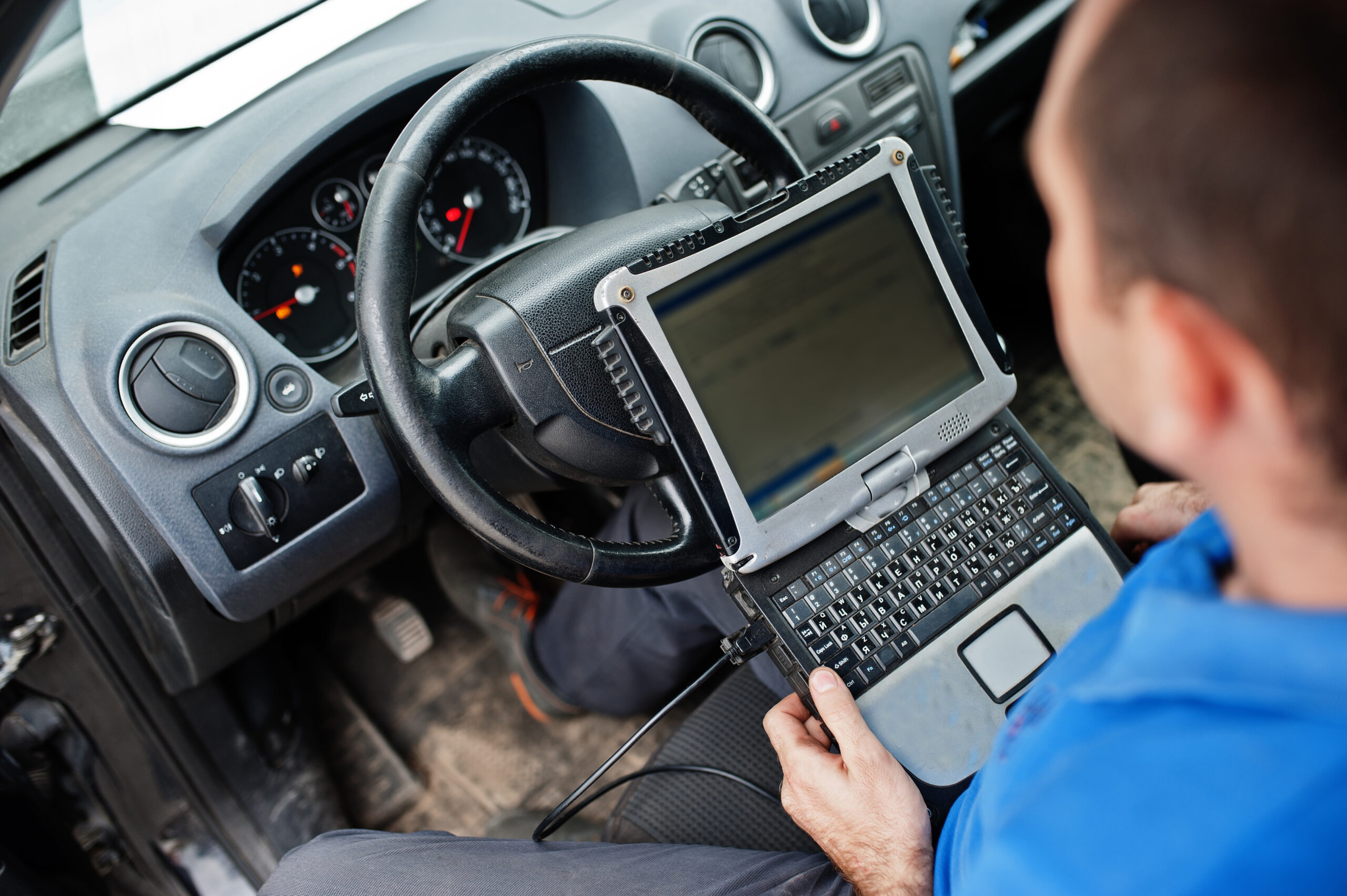
1. Computerized Code Scanning
Technicians connect a diagnostic scanner to your vehicle’s OBD-II port. This tool retrieves stored trouble codes that indicate where a malfunction may exist.
These codes provide a starting point but do not always reveal the exact problem. That’s why further testing is required.
2. Live Data Analysis
 Modern scan tools allow technicians to view real-time data while the engine is running. This includes information such as:
- Fuel trim levels
- Oxygen sensor readings
- Engine temperature
- Air intake readings
- RPM fluctuations
This data helps identify whether the engine is operating efficiently or if something is off.
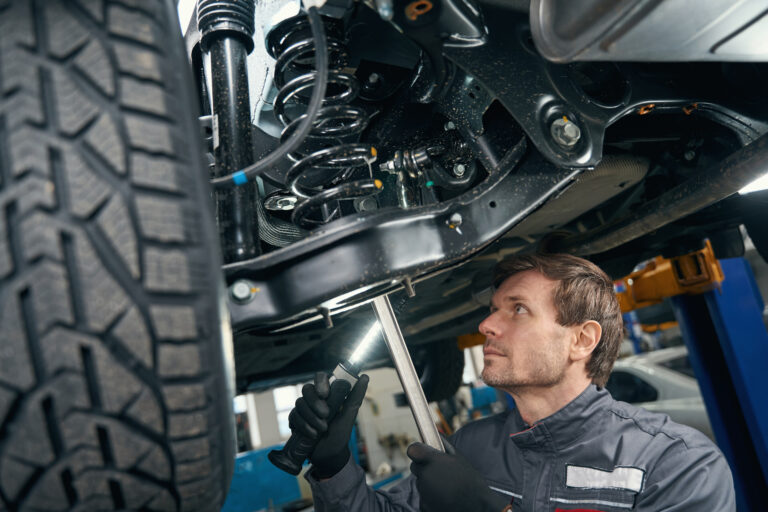
3. Visual Inspection
Engine diagnostics always includes a hands-on inspection of key components. Technicians check for:
- Vacuum leaks
- Damaged wiring or connectors
- Worn belts or hoses
- Fluid leaks
- Loose or corroded parts
Even advanced computer systems cannot replace a trained eye during engine diagnostics.
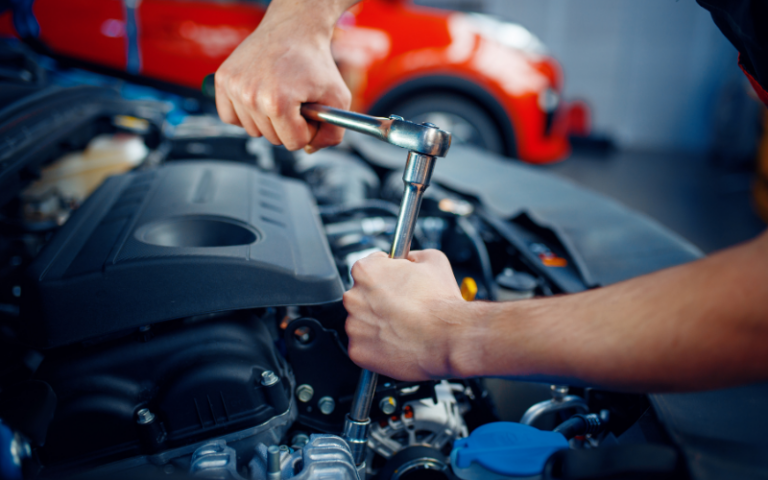
4. Component Testing
If a specific system is suspected, technicians may test parts individually. This can include:
- Ignition coils
- Spark plugs
- Fuel injectors
- Sensors (oxygen, MAF, MAP)
- Battery and charging system
This step confirms whether a part is failing or simply receiving incorrect signals.
5. Road Testing
In many cases, a road test is part of engine diagnostics. This allows technicians to observe how the vehicle behaves under real driving conditions, especially when issues only occur during acceleration, idling, or highway speeds.
Common Reasons for Engine Diagnostics
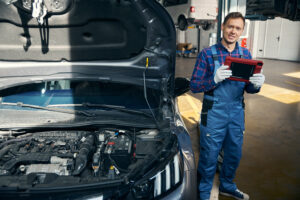 Drivers in Shoreview often seek engine diagnostics for a variety of reasons. Some are obvious, while others are subtle.
Check Engine Light Is On
The most common reason is the illuminated check engine light. This light can indicate anything from a loose gas cap to a serious engine misfire.
Poor Fuel Economy
If your vehicle suddenly starts using more fuel than usual, engine diagnostics can identify problems like oxygen sensor failure or fuel system issues.
Rough Idling or Stalling
A shaking engine, rough idle, or unexpected stalling often signals underlying mechanical or electrical issues.
Loss of Power
If your vehicle struggles to accelerate or feels sluggish, engine diagnostics can help determine whether the issue is fuel-related, ignition-related, or sensor-based.
Strange Noises or Smells
Knocking sounds, hissing noises, or unusual odors may point to engine problems that require immediate attention.
Why Engine Diagnostics Matters
Ignoring warning signs can lead to more severe damage over time. Engine diagnostics plays a critical role in preventing small issues from becoming expensive repairs.
Prevents Costly Repairs
A small issue like a faulty sensor can lead to engine inefficiency, increased fuel usage, or damage to other components if left untreated. Engine diagnostics helps identify problems early.
Improves Vehicle Performance
When your engine is running correctly, you’ll notice smoother acceleration, better fuel economy, and more consistent performance.
Reduces Breakdowns
Unexpected breakdowns often begin with small warning signs. Engine diagnostics helps catch these issues before they leave you stranded.
Ensures Accurate Repairs
Without proper diagnostics, technicians may guess at the problem. Engine diagnostics ensures repairs are based on data, not assumptions.
How Often Should You Get Engine Diagnostics?
Unlike routine maintenance, engine diagnostics is not something you schedule on a fixed interval. Instead, it should be performed when:
- Your check engine light turns on
- You notice performance changes
- Your vehicle fails an emissions test
- You hear or feel unusual engine behavior
- You are preparing for a long road trip
For Shoreview drivers, it’s especially important to address issues quickly due to harsh seasonal conditions that can worsen mechanical problems.
What Happens After Engine Diagnostics?
Once the issue is identified, the repair process begins. Depending on the findings, solutions may include:
- Replacing faulty sensors
- Repairing ignition system components
- Fixing vacuum leaks
- Replacing spark plugs or coils
- Addressing fuel system issues
- Updating software or recalibrating systems
A proper engine diagnostics service ensures that repairs are targeted and effective, saving both time and money.
Engine Diagnostics vs Guesswork Repairs
Without diagnostics, auto repairs often rely on trial and error. This can lead to unnecessary part replacements and higher costs.
Engine diagnostics eliminates guesswork by:
- Identifying exact fault codes
- Confirming issues with live data
- Verifying repairs after completion
This precision is what makes engine diagnostics one of the most valuable services in modern auto repair.
Why Shoreview Drivers Benefit from Regular Diagnostics Awareness
In areas like Shoreview, Minnesota, vehicles are exposed to extreme temperature changes, road salt, potholes, and seasonal wear. These conditions can accelerate engine wear and sensor failure.
Engine diagnostics helps local drivers stay ahead of these challenges by catching issues early, especially during winter and spring transitions when vehicles are under the most stress.
Conclusion: Protect Your Vehicle with Timely Engine Diagnostics
Engine diagnostics is one of the most important services for maintaining a reliable and efficient vehicle. It goes beyond simply reading a check engine light—it involves a complete evaluation of your vehicle’s systems to identify problems accurately and efficiently.
By understanding what engine diagnostics includes and why it matters, you can make better decisions about your vehicle’s care, avoid unnecessary repairs, and prevent unexpected breakdowns.
If your check engine light is on or your vehicle isn’t running the way it should, don’t wait for the problem to get worse. Schedule professional engine diagnostics service today by visiting us here, and let trained technicians pinpoint the issue and get you back on the road with confidence.
Further Reading
- National Institute for Automotive Service Excellence (ASE) – Vehicle Diagnostics Overview
https://www.ase.com - U.S. Environmental Protection Agency – Onboard Diagnostics (OBD Systems)
https://www.epa.gov/ - Car Care Council – Understanding Warning Lights and Diagnostics
https://www.carcare.org